
Can Insomnia Be Cured? How CBT‑I Can Help Improve Sleep for Good
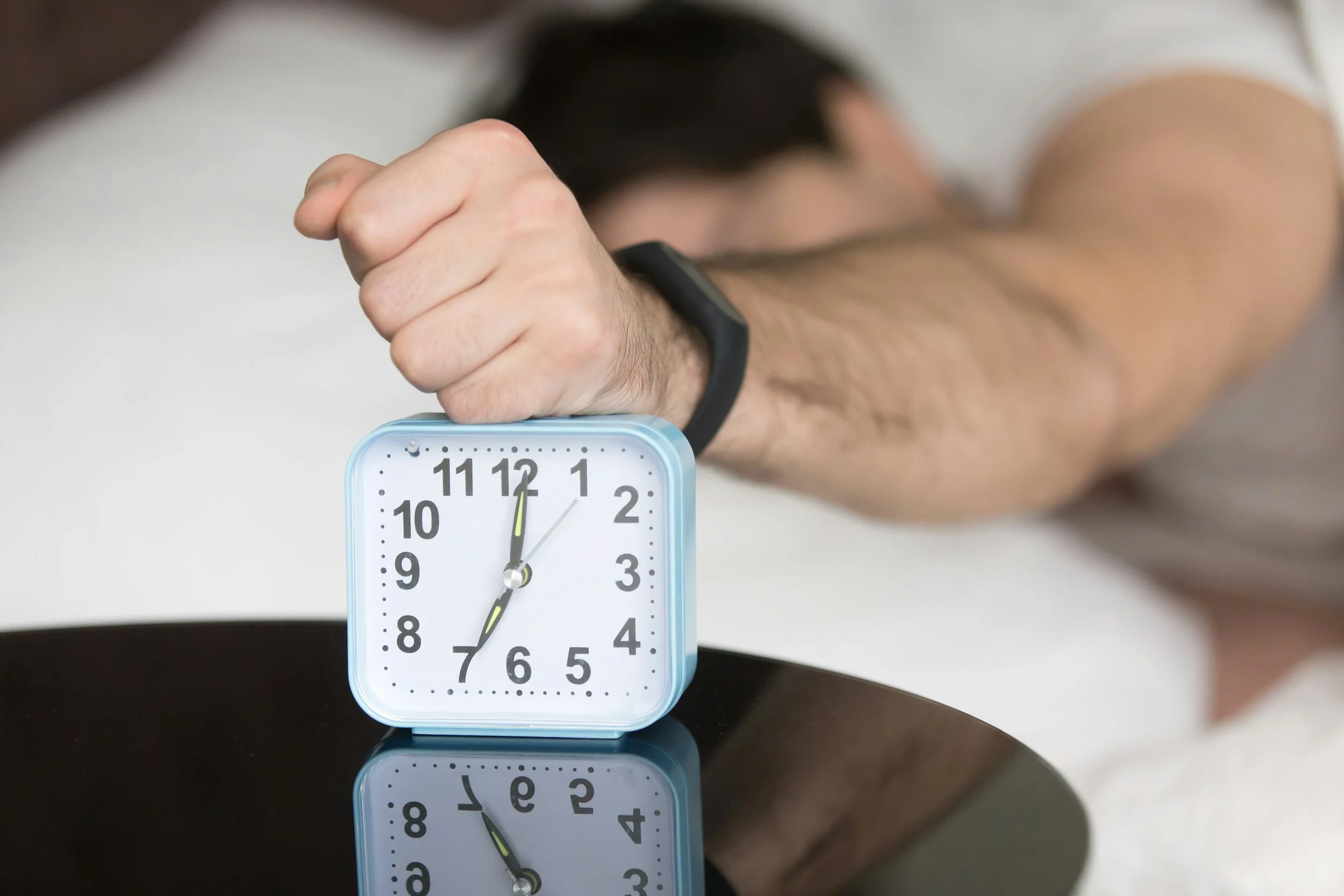
Insomnia is one of the most common sleep disorders in the United States, affecting millions of adults who struggle to fall asleep, stay asleep, or wake feeling unrefreshed. If you’re one of them, you’ve probably wondered whether insomnia can actually be cured—or whether you’re stuck with restless nights forever.
The short answer: many people can significantly reduce or even eliminate chronic insomnia symptoms, especially with the right treatment. And the most effective long‑term solution isn’t medication—it’s Cognitive Behavioral Therapy for Insomnia (CBT‑I).
If you or a loved one is struggling with insomnia, call NJCCBT today at 201-669-1369 x1 to learn more about our services.
What Is Insomnia? Understanding the Root of the Problem
Insomnia isn’t just “bad sleep.” It’s a clinical condition characterized by:
Difficulty falling asleep
Difficulty staying asleep
Waking too early
Non‑restorative sleep
Daytime fatigue, irritability, or trouble concentrating
Chronic insomnia is typically defined as symptoms occurring at least three nights per week for three months or more.
Common Causes of Insomnia
Insomnia can be triggered by:
Stress and anxiety
Poor sleep habits
Irregular schedules
Medical conditions
Hormonal changes
Medications
Environmental factors
But here’s the key: even after the original trigger is gone, insomnia often continues because the brain learns to associate the bed with wakefulness, worry, or frustration. This is where CBT‑I becomes essential.
Can Insomnia Be Cured? The Truth Behind the Question
The word “cure” can be tricky. Insomnia isn’t like an infection that disappears with antibiotics. Instead, it’s a behavioral and cognitive condition, meaning it’s driven by habits, thoughts, and learned patterns.
So can insomnia be cured? For many people, yes—insomnia can be reversed or dramatically improved with long‑term results.
But this improvement doesn’t come from sleeping pills. It comes from retraining the brain and body to sleep naturally again.
Why Sleeping Pills Aren’t a Long‑Term Cure
Many people turn to sleep medications hoping for a quick fix. While they can help temporarily, they come with limitations:
They don’t address the root cause
They can create dependence
They may lose effectiveness over time
They can cause next‑day grogginess
Most importantly, sleeping pills don’t teach your brain how to sleep on its own.
This is why experts recommend CBT‑I as the first‑line treatment for chronic insomnia.
What Is CBT‑I? A Proven, Long‑Term Treatment for Insomnia
Cognitive Behavioral Therapy for Insomnia (CBT‑I) is a structured, evidence‑based program that helps people change the thoughts and behaviors that interfere with sleep. It is recommended by:
The American Academy of Sleep Medicine
The American College of Physicians
The National Institutes of Health
How CBT‑I Works
CBT‑I typically includes:
Sleep restriction therapy — limiting time in bed to strengthen sleep drive
Stimulus control — rebuilding the bed‑sleep connection
Cognitive restructuring — reducing anxiety and racing thoughts
Relaxation techniques — calming the nervous system
Sleep hygiene optimization — improving environmental and lifestyle factors
Unlike medication, CBT‑I creates lasting changes because it rewires the brain’s relationship with sleep.
Benefits of CBT‑I for Chronic Insomnia
1. Long‑Term Results
Studies show that CBT‑I is more effective than sleep medication—and its benefits last long after treatment ends.
2. No Side Effects
Because it’s behavioral and cognitive, CBT‑I avoids the risks associated with sedatives.
3. Personalized Strategies
CBT‑I tailors techniques to each person’s sleep patterns, lifestyle, and challenges.
4. Improved Mental Health
Better sleep reduces anxiety, depression, irritability, and stress.
5. Restored Natural Sleep
CBT‑I helps your body relearn how to sleep without relying on external aids.
If you’ve read this far, you may want to speak with an expert. Contact North Jersey Center for CBT today for a complimentary consultation or to schedule an appointment with a therapist. Call 201-669-1369 or click the button below to get started.
Is CBT‑I a Cure for Insomnia?
For many people, yes—CBT‑I can effectively “cure” chronic insomnia by eliminating the behaviors and thought patterns that sustain it.
Most patients experience:
Falling asleep faster
Fewer nighttime awakenings
Better sleep quality
More daytime energy
Reduced anxiety around sleep
And the improvements often last years, making CBT‑I the closest thing we have to a true cure.
Who Is a Good Candidate for CBT‑I?
CBT‑I is ideal for people who:
Have chronic insomnia
Rely on sleep medications
Experience racing thoughts at night
Wake up frequently
Have irregular sleep schedules
Want a long‑term, natural solution
It’s also safe for most adults, including older adults, who often struggle with sleep changes.
How Long Does CBT‑I Take to Work?
Most CBT‑I programs last 4–8 weeks, with noticeable improvements often appearing within the first two weeks.
Because it’s a structured program, consistency is key—but the payoff is significant.
Final Thoughts: You Don’t Have to Live With Insomnia Forever
Insomnia can feel overwhelming, but it’s not a life sentence. With the right approach—especially CBT‑I—many people experience profound, lasting improvements in their sleep.
If you’re tired of sleepless nights, constant fatigue, or relying on medication, CBT‑I offers a proven path forward. It helps you rebuild healthy sleep patterns, reduce anxiety, and restore confidence in your ability to sleep naturally.
Insomnia can be treated. Your sleep can improve. And CBT‑I can help you get there.
If you or a loved one is struggling with insomnia, call NJCCBT today at 201-669-1369 x1 to learn more about our services.
