
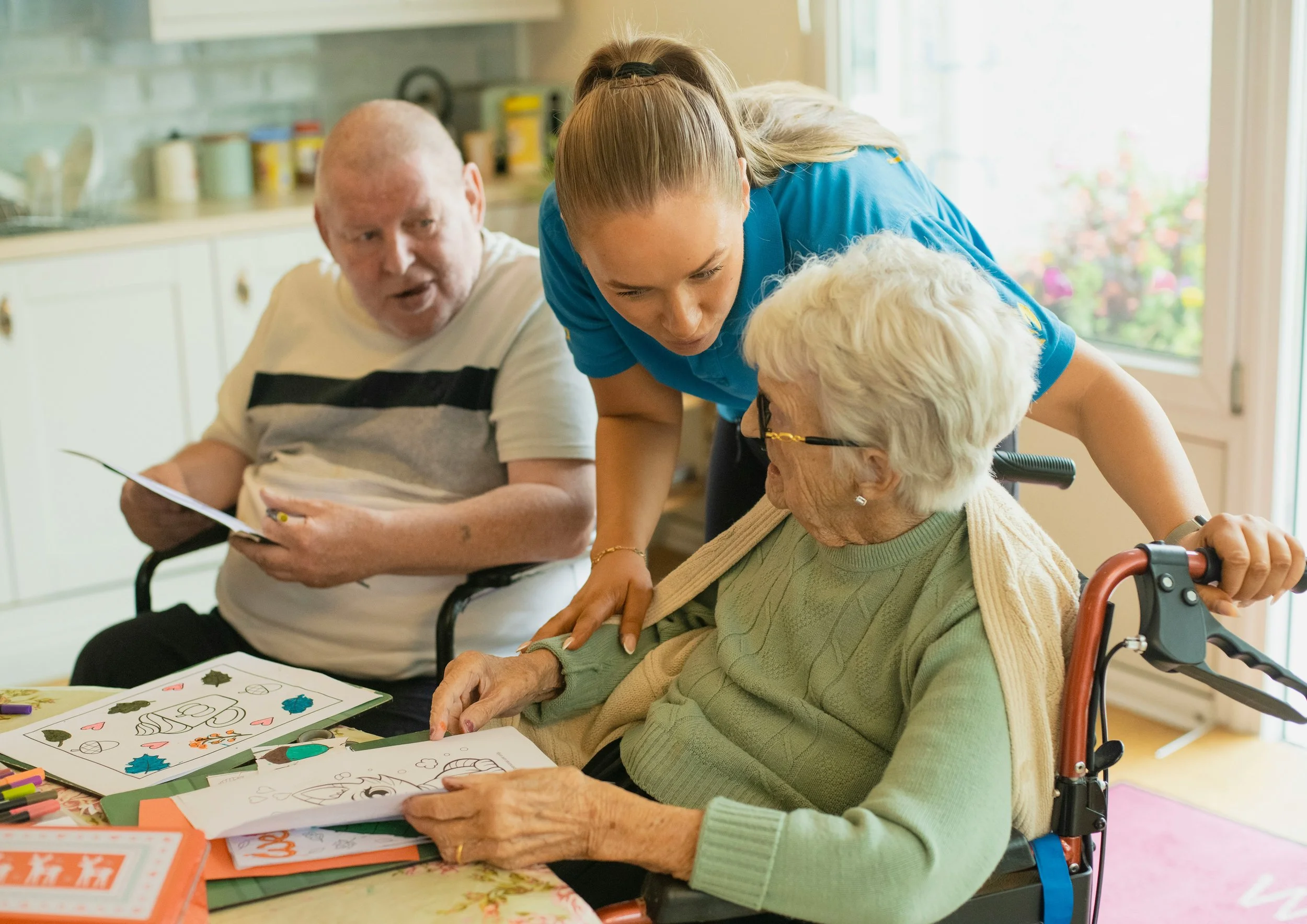
Every year, National Family Caregivers Month shines a spotlight on the millions of individuals who dedicate their time, energy, and love to caring for aging parents, spouses, children with special needs, and other family members. While caregiving can be rewarding, it can also be physically, emotionally, and mentally exhausting.
Many caregivers spend so much time focusing on others that they neglect their own health and well-being. Unfortunately, caregiver burnout is common and can affect both the caregiver and the person receiving care.
The good news is that prioritizing self-care does not have to be complicated. By implementing simple and effective self-care strategies, family caregivers can maintain their health, reduce stress, and continue providing quality care for their loved ones.
If you or a loved one is seeking support navigating burnout, call NJCCBT today at 201-669-1369 x1 to learn more about our services.
Why Is Self-Care Important for Family Caregivers?
Family caregivers often experience chronic stress, sleep deprivation, anxiety, and feelings of isolation. Over time, these challenges can lead to caregiver fatigue, depression, and serious health concerns.
When caregivers prioritize self-care, they can:
Improve their physical health
Reduce stress and anxiety
Increase patience and emotional resilience
Prevent caregiver burnout
Enhance the quality of care they provide
Maintain stronger relationships with family and friends
Remember, taking care of yourself is not selfish. It is a necessary part of being an effective caregiver.
Recognizing the Signs of Caregiver Burnout
Before discussing caregiver self-care tips, it is important to understand the warning signs of burnout.
Common symptoms include:
Constant exhaustion
Feeling overwhelmed or hopeless
Loss of interest in activities you once enjoyed
Changes in sleep patterns
Frequent headaches or illness
Increased irritability
Difficulty concentrating
Withdrawal from friends and family
If you recognize these symptoms, it may be time to prioritize your own needs and seek additional support.
Self-Care Strategies for Family Caregivers
Schedule Time for Yourself Every Day
One of the most effective self-care strategies for caregivers is creating dedicated personal time each day.
Even 15 to 30 minutes can make a significant difference. Use this time to:
Read a book
Listen to music
Take a walk
Meditate
Enjoy a hobby
Many caregivers feel guilty about stepping away, but short breaks can improve focus, energy, and overall well-being.
Prioritize Quality Sleep
Sleep deprivation is a major contributor to caregiver stress and burnout.
To improve sleep quality:
Stick to a consistent bedtime schedule
Avoid screens before bed
Limit caffeine late in the day
Create a relaxing bedtime routine
Ask for overnight assistance when possible
Better sleep can help caregivers manage emotions, make decisions more effectively, and improve physical health.
Eat a Healthy and Balanced Diet
Proper nutrition plays a critical role in caregiver wellness.
When life gets busy, caregivers often skip meals or rely on fast food. Instead, focus on:
Lean proteins
Fresh fruits and vegetables
Whole grains
Healthy fats
Adequate hydration
Meal planning and preparing healthy snacks in advance can make nutritious eating more manageable.
Stay Physically Active
Exercise is one of the best stress-relief tools available.
Regular physical activity can:
Reduce anxiety
Improve mood
Increase energy
Support heart health
Improve sleep quality
You do not need a complicated fitness routine. Simple activities such as walking, stretching, yoga, or dancing can provide substantial benefits.
How Caregivers Can Reduce Stress and Protect Their Mental Health
Mental and emotional wellness are essential components of caregiving self-care.
Practice Mindfulness and Relaxation Techniques
Mindfulness can help caregivers stay present and reduce feelings of overwhelm.
Popular stress-reduction techniques include:
Deep breathing exercises
Guided meditation
Journaling
Gratitude practices
Just a few minutes each day can help lower stress levels and improve emotional well-being.
Stay Connected With Friends and Family
Isolation is a challenge many caregivers face.
Maintaining social connections can help you feel supported and understood. Consider:
Scheduling regular phone calls
Meeting a friend for coffee
Joining community events
Participating in support groups
Strong social networks can provide emotional encouragement and reduce feelings of loneliness.
Consider Seeing a Therapist
While friends and family can offer valuable support, there are times when professional guidance can make a meaningful difference. A licensed therapist provides caregivers with a safe, confidential space to discuss their challenges, process difficult emotions, and develop healthy coping strategies.
Benefits of seeing a therapist may include:
Learning effective stress management techniques
Managing feelings of anxiety, guilt, or depression
Improving emotional resilience
Developing healthy boundaries
Preventing caregiver burnout
Receiving personalized support for caregiving challenges
Working with a licensed mental health professional can help caregivers navigate the emotional demands of caregiving while prioritizing their own well-being. Seeking therapy is not a sign of weakness. It is a proactive step toward maintaining your mental health and becoming a stronger, healthier caregiver.
Don't Be Afraid to Ask for Help
Many caregivers believe they should handle everything on their own. However, accepting assistance is one of the healthiest decisions you can make.
Ways to get help include:
Asking family members to share responsibilities
Hiring respite care services
Utilizing adult day programs
Seeking community resources
Working with home healthcare providers
Delegating tasks can reduce stress and create opportunities for much-needed rest.
Setting Healthy Boundaries as a Family Caregiver
Learning to set boundaries is an important part of caregiver self-care.
Healthy boundaries may include:
Saying no to additional commitments
Setting realistic expectations
Asking others to contribute
Taking breaks without guilt
Protecting personal time
Boundaries help prevent emotional exhaustion and ensure that caregiving responsibilities remain manageable.
Creating a Long-Term Self-Care Plan for Caregivers
Self-care should not be reserved for special occasions or moments of crisis. Developing a long-term plan can help caregivers maintain their health throughout their caregiving journey.
A caregiver self-care plan might include:
Regular medical checkups
Weekly exercise goals
Scheduled respite care
Monthly social activities
Daily relaxation practices
Ongoing mental health support
The more intentional caregivers are about self-care, the easier it becomes to sustain healthy habits.
National Family Caregivers Month: A Time to Prioritize Yourself
National Family Caregivers Month serves as an important reminder that caregivers deserve care too. While providing support for a loved one is a meaningful responsibility, it should not come at the expense of your own health and happiness.
Practicing caregiver self-care is not a luxury. It is an essential part of maintaining the physical, emotional, and mental strength needed to continue supporting those who depend on you.
By prioritizing sleep, exercise, nutrition, social connections, stress management, and support systems, family caregivers can reduce burnout and improve their quality of life. This National Family Caregivers Month, take a moment to recognize your efforts, celebrate your dedication, and commit to caring for yourself as thoughtfully as you care for others.
If you or a loved one is seeking support navigating burnout, call NJCCBT today at 201-669-1369 x1 to learn more about our services.