
How Does Food Affect My Mood?
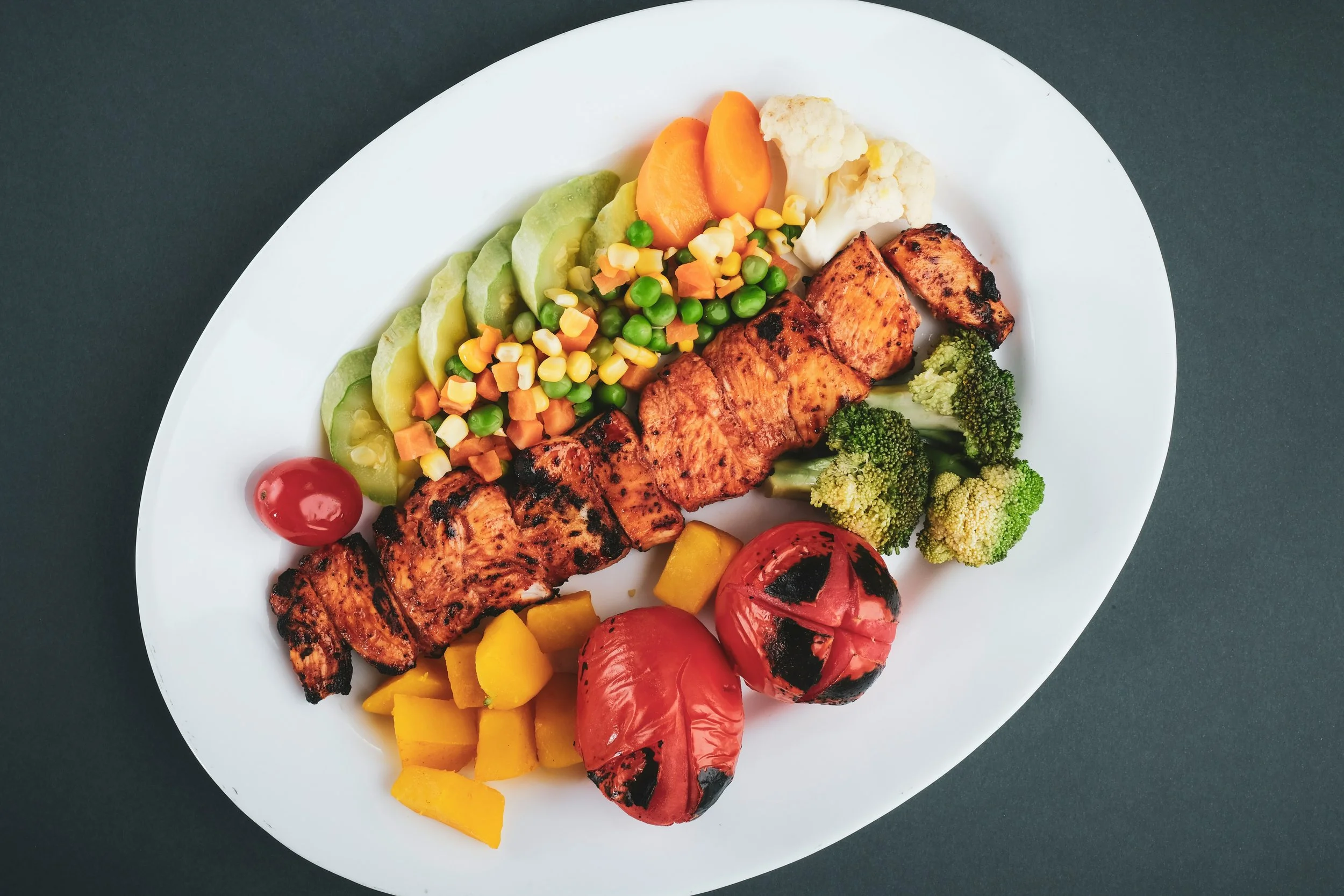
Food doesn’t just fuel your body — it shapes your emotional world. The connection between what you eat and how you feel is backed by neuroscience, gut‑health research, and decades of nutritional psychology.
If you or a loved one is seeking support understanding how food can affect mood, call NJCCBT today at 201-669-1369 x1 to learn more about our services.
The Connection Between Food and Mood
Your brain is a high‑performance organ that depends on nutrients to function. When you eat nutrient‑dense foods, your brain receives the building blocks it needs to regulate emotions, stabilize energy, and support mental clarity. When you eat processed, sugary, or inflammatory foods, your brain struggles — and your mood often follows.
Three major systems explain this link:
Neurotransmitters (like serotonin and dopamine)
Blood sugar regulation
Gut‑brain communication
Understanding these systems helps you make smarter choices that support emotional well‑being.
How Nutrients Influence Brain Chemistry
Your brain relies on neurotransmitters to regulate mood. These chemicals are made from nutrients found in food.
Key nutrients that affect mood:
Omega‑3 fatty acids — support brain cell communication and reduce inflammation
B vitamins — essential for energy production and stress regulation
Magnesium — calms the nervous system and reduces anxiety
Amino acids — building blocks for serotonin, dopamine, and GABA
Antioxidants — protect brain cells from oxidative stress
When your diet lacks these nutrients, your brain struggles to produce the chemicals that keep you feeling balanced and emotionally resilient.
Blood Sugar and Mood Swings
If you’ve ever felt irritable, shaky, or anxious after skipping a meal or eating something sugary, you’ve experienced the blood‑sugar‑mood connection.
Why blood sugar matters:
High‑sugar foods cause rapid spikes and crashes
Crashes trigger irritability, fatigue, and anxiety
Stable blood sugar supports calm, steady energy
Foods that stabilize mood through blood sugar:
Whole grains
Lean proteins
Healthy fats
Fiber‑rich vegetables
These foods slow digestion and keep your energy — and emotions — steady.
The Gut‑Brain Axis: How Your Microbiome Shapes Your Emotions
Your gut is often called your “second brain” because it contains millions of neurons and produces up to 90% of your serotonin. The gut and brain communicate constantly through the vagus nerve.
How gut health affects mood:
A healthy microbiome reduces inflammation
Good bacteria produce mood‑boosting neurotransmitters
Poor gut health is linked to anxiety and depression
Foods that support gut health:
Fermented foods (yogurt, kefir, kimchi)
High‑fiber foods (beans, oats, vegetables)
Prebiotic foods (garlic, onions, bananas)
Improving gut health is one of the most effective long‑term strategies for improving mood naturally.
Foods That Boost Mood Naturally
If you’re looking for foods that make you feel happier, calmer, and more energized, these are scientifically supported options.
Top mood‑boosting foods:
Fatty fish (salmon, sardines) — rich in omega‑3s
Dark chocolate — boosts serotonin and dopamine
Leafy greens — packed with folate and magnesium
Berries — high in antioxidants
Nuts and seeds — stabilize blood sugar and support brain health
Eggs — contain choline for brain function
Green tea — contains L‑theanine for calm focus
These foods support emotional well‑being by nourishing your brain and stabilizing your nervous system.
If you’ve read this far, you may want to speak with an expert. Contact North Jersey Center for CBT today for a complimentary consultation or to schedule an appointment with a therapist. Call 201-669-1369 or click the button below to get started.
Foods That Can Make Your Mood Worse
Just as some foods lift your mood, others can drag it down.
Foods linked to anxiety, depression, and irritability:
Highly processed foods
Sugary snacks and drinks
Fried foods
Excessive caffeine
Alcohol
Artificial sweeteners
These foods can cause inflammation, disrupt gut bacteria, and destabilize blood sugar — all of which negatively affect mood.
Emotional Eating: Why You Crave Certain Foods
When you’re stressed, sad, or overwhelmed, your brain seeks quick comfort. This often leads to cravings for sugary, salty, or high‑fat foods.
Why emotional eating happens:
Stress hormones increase appetite
Sugar temporarily boosts dopamine
Comfort foods trigger nostalgic memories
Fatty foods calm the nervous system — briefly
Understanding these triggers helps you make more mindful choices. Working with a licensed professional can also help navigate emotional eating.
How to Build a Mood‑Boosting Diet
You don’t need a perfect diet to feel better — just consistent habits that support brain and gut health.
A simple daily framework:
Eat protein at every meal
Choose whole foods over processed foods
Include healthy fats
Add colorful fruits and vegetables
Stay hydrated
Limit sugar and alcohol
Small changes add up to big emotional benefits.
Lifestyle Habits That Enhance the Food‑Mood Connection
Food is powerful, but it works best when paired with supportive habits.
Mood‑boosting lifestyle practices:
Regular exercise
Consistent sleep
Sunlight exposure
Mindfulness or meditation
Social connection
These habits amplify the emotional benefits of a healthy diet.
Key Takeaway
Your mood is deeply influenced by what you eat. By choosing nutrient‑dense foods, supporting your gut health, and stabilizing your blood sugar, you can dramatically improve your emotional well‑being. Food is not just fuel — it’s one of the most powerful tools you have for mental health.
If you or a loved one is seeking support understanding how food can affect mood, call NJCCBT today at 201-669-1369 x1 to learn more about our services.
