
How Does Maxxing Culture Affect Mental Health? A Deep Dive Into the Pressures Young People Face
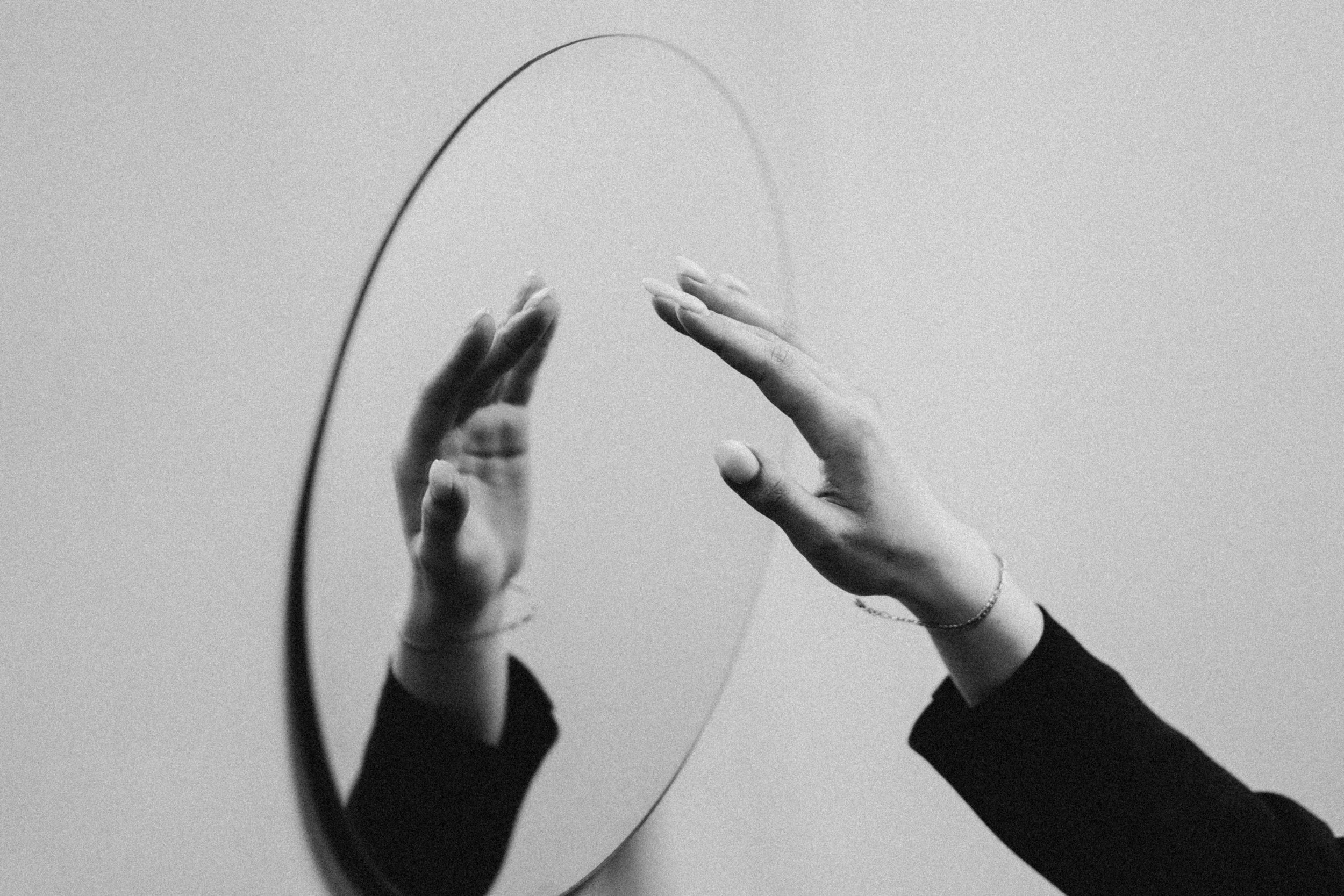
Maxxing culture—often seen in online spaces focused on “self-optimization,” appearance enhancement, and extreme self-improvement—has exploded in popularity among teens and young adults.
This guide explains what maxxing culture is, why it’s becoming so influential, and how it affects mental health, especially for young people already vulnerable to anxiety, depression, and body image concerns. You’ll also find CBT-based strategies to help navigate these pressures in a healthier, more grounded way.
If you or a loved one is seeking support navigating “maxxing culture,” call NJCCBT today at 201-669-1369 x1 to learn more about our services.
What Is Maxxing Culture?
Maxxing culture refers to extreme self-improvement trends—often appearance-focused—where people try to “maximize” their attractiveness, productivity, or social status. Common forms include:
“looksmaxxing”
“gymmaxxing”
“statusmaxxing”
“moneymaxxing”
“socialmaxxing”
These trends often appear in online communities that promote rigid standards of beauty, masculinity, femininity, or success.
Why Is Maxxing Culture So Popular Among Young Adults?
Social Media Amplifies Comparison
Platforms like TikTok, Instagram, and YouTube reward:
extreme transformations
“glow-ups”
aesthetic perfection
unrealistic beauty standards
This creates pressure to constantly improve or “fix” yourself.
Young Adults Are Searching for Identity
College students and young adults often feel:
insecure
uncertain
socially anxious
eager to belong
Maxxing communities promise confidence, belonging, and control—making them appealing.
The Illusion of Control
Maxxing culture suggests that if you work hard enough, you can eliminate insecurity. But mental health doesn’t work that way—self-worth can’t be “maxxed.”
How Maxxing Culture Affects Mental Health
Increased Anxiety and Perfectionism
Maxxing encourages constant self-monitoring:
Am I attractive enough?
Am I successful enough?
Am I improving fast enough?
This creates chronic anxiety and fear of falling behind.
Body Image Issues and Appearance Obsession
Looksmaxxing can contribute to:
body dysmorphia
compulsive grooming
extreme dieting or exercise
fixation on flaws
These patterns can increase the risk of depression and disordered eating.
Depression and Suicidality in Vulnerable Individuals
When someone feels they can’t “maxx” enough or meet unrealistic standards, hopelessness can grow. Loneliness and isolation—already linked to depression and suicidality—can intensify when someone feels they’re failing at self-improvement.
Social Withdrawal
Maxxing culture often encourages:
staying home to “grind”
avoiding social events
isolating to focus on improvement
prioritizing appearance over connection
Isolation can increase emotional distress and reduce support.
Identity Becomes Performance-Based
Instead of seeing themselves as whole people, young adults may begin to see themselves as:
a body
a project
a checklist
a competition
This can erode self-esteem and increase emotional vulnerability.
Why Maxxing Culture Hits Socially Anxious People Hardest
Social Anxiety Creates Fear of Judgment
People with social anxiety often think:
“I’m not good enough.”
“People are judging me.”
“I need to improve before I can be accepted.”
Maxxing culture can reinforce these fears rather than helping someone work through them.
Vulnerability Feels Unsafe
Maxxing encourages hiding flaws, not sharing them. But vulnerability is what can help build connection and reduce loneliness.
The “Fix Yourself First” Myth
Many maxxing spaces promote the idea that you must be perfect before you deserve friendship or love. This can be harmful and creates unrealistic expectations about self-worth and relationships.
CBT-Based Tips for Coping With Maxxing Pressure
Challenge All-or-Nothing Thinking
Maxxing culture promotes extremes:
“If I’m not perfect, I’m failing.”
“If I stop improving, I’ll fall behind.”
CBT reframing can help replace these thoughts with balanced ones:
“I can grow without obsessing.”
“My worth isn’t based on appearance or productivity.”
“Rest is part of improvement.”
Reduce Comparison Triggers
Try:
unfollowing harmful accounts
limiting appearance-focused content
curating your feed intentionally
taking social media breaks
Your mental health can benefit when your environment supports healthier thinking.
Focus on Values, Not Aesthetics
Ask:
“What kind of person do I want to be?”
“What relationships matter to me?”
“What brings meaning to my life?”
Values-based living can reduce anxiety and increase fulfillment.
Practice Self-Compassion Instead of Self-Criticism
Try:
“I’m allowed to be imperfect.”
“I deserve care, not punishment.”
“I don’t need to earn my worth.”
Self-compassion can support emotional resilience and a healthier relationship with yourself.
Build Real-World Connection
Maxxing culture can contribute to isolation, while meaningful connection can provide emotional support.
Try:
reaching out to a friend
joining a group or club
sharing your feelings with someone safe
spending time offline
Connection can help reduce loneliness and provide support during difficult periods.
Final Thoughts: You Don’t Need to “Maxx” Yourself to Be Worthy
Maxxing culture promises confidence, belonging, and control—but can also contribute to anxiety, isolation, and self-criticism. You don’t need to optimize yourself into perfection to be valued. You deserve connection, support, and compassion exactly as you are.
If you or a loved one is seeking support navigating “maxxing culture,” call NJCCBT today at 201-669-1369 x1 to learn more about our services.