
How Does Social Media Affect Mood? An Honest Look at Anxiety, Depression, and Suicidality in the Digital Age
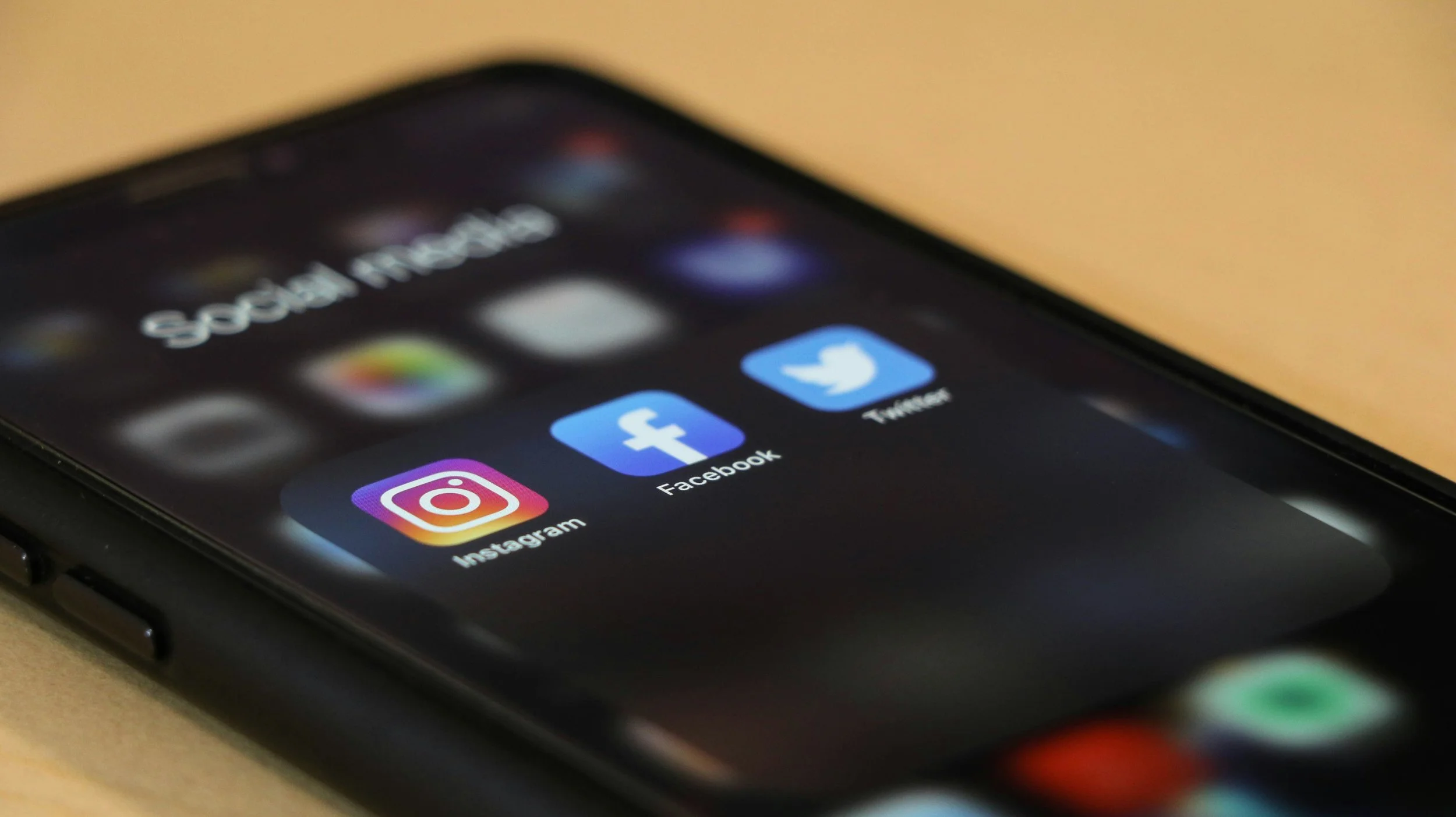
Social media is woven into daily life—especially for teens, college students, and young adults. It’s where people connect, learn, express themselves, and stay informed. But it’s also where comparison, pressure, and overstimulation thrive.
This guide breaks down how social media impacts mood, why overuse can increase depression and suicidality, and what actually helps you build a healthier relationship with your digital world.
If you or a loved one is seeking support, call NJCCBT today at 201-669-1369 x1 to learn more about our services.
The Link Between Social Media and Mood: What We Know
Social media affects mood through a combination of psychological, emotional, and neurological pathways. While moderate use can be neutral—or even positive—overuse is strongly linked to:
increased anxiety
depressed mood
loneliness
low self‑esteem
sleep disruption
increased suicidal ideation in vulnerable individuals
These effects are especially strong for people already struggling with mental health concerns.
Why Social Media Impacts Mood So Intensely
1. Constant Comparison Creates Emotional Pressure
Platforms like Instagram, TikTok, and Snapchat encourage comparison. You see:
curated bodies
curated lifestyles
curated relationships
curated success
This comparison often leads to:
feeling “behind”
body dissatisfaction
academic or career pressure
social insecurity
Comparison is one of the strongest predictors of depressed mood online.
2. The Brain Responds to Social Media Like a Reward System
Likes, comments, and notifications trigger dopamine—the brain’s reward chemical. Over time, your brain becomes conditioned to seek these micro‑bursts of validation.
This can lead to:
compulsive checking
anxiety when posts “don’t perform”
mood swings tied to online engagement
This reward loop is similar to other behavioral addictions.
3. Social Media Overloads the Nervous System
Endless scrolling exposes you to:
rapid content changes
emotional extremes
overstimulation
constant alerts
This keeps your nervous system activated, increasing:
irritability
anxiety
emotional fatigue
Over time, this can contribute to burnout and depressed mood.
4. Exposure to Harmful Content Increases Risk
Overuse increases exposure to:
cyberbullying
negative comments
unrealistic beauty standards
self‑harm content
crisis content
news overload
For vulnerable individuals, this exposure can increase suicidal ideation.
5. Social Media Disrupts Sleep—Which Directly Impacts Mood
Late‑night scrolling affects:
circadian rhythm
melatonin production
sleep quality
Poor sleep is one of the strongest predictors of depression and anxiety.
How Social Media Overuse Can Increase Depression and Suicidality
1. Increased Feelings of Isolation
Even though social media connects people, heavy use is linked to increased loneliness. Online connection doesn’t replace real‑world support.
Loneliness is a major risk factor for depression and suicidal thoughts.
2. Negative Self‑Image and Body Dissatisfaction
Exposure to filtered images, edited videos, and unrealistic beauty standards increases:
body comparison
body shame
disordered eating behaviors
low self‑esteem
Body dissatisfaction is strongly linked to depression and suicidality.
3. Cyberbullying and Online Harassment
Online harassment increases:
hopelessness
fear
shame
emotional withdrawal
These experiences significantly increase suicide risk, especially for teens and young adults.
4. Emotional Exhaustion and Burnout
Constant engagement leads to emotional depletion. When people feel overwhelmed and unable to disconnect, hopelessness can increase.
5. Reduced Real‑World Coping Skills
Heavy social media use can replace:
healthy coping
real‑world connection
emotional regulation
problem‑solving
This makes stress feel heavier and increases vulnerability to crisis.
Healthy Ways to Use Social Media Without Damaging Your Mood
1. Set Time Limits to Reduce Overuse
Try:
30–60 minutes per day
no scrolling before bed
no social media during meals
designated “offline hours”
Small limits create big emotional shifts.
2. Curate Your Feed Intentionally
Unfollow accounts that trigger:
comparison
insecurity
body dissatisfaction
stress
negativity
Follow accounts that promote:
mental health
body neutrality
creativity
education
joy
Your feed should support your well‑being—not drain it.
3. Practice Mindful Scrolling
Before opening an app, ask:
“Why am I opening this?”
“What am I hoping to feel?”
“Is this helping me right now?”
Mindfulness interrupts automatic habits.
4. Replace Scrolling With Grounding Activities
Try:
stretching
journaling
walking
reading
calling a friend
listening to music
These activities regulate your nervous system more effectively than scrolling.
5. Use CBT Thought Reframing When Comparison Hits
When you catch yourself thinking:
“Everyone else is happier.”
“I’m not good enough.”
“I’m falling behind.”
Try reframing:
“This is a curated moment, not reality.”
“I don’t know the full story.”
“My worth isn’t measured by likes or images.”
CBT helps reduce emotional reactivity.
6. Take Regular Social Media Breaks
Breaks help reset:
mood
sleep
focus
self‑esteem
Even 24–48 hours can make a noticeable difference.
7. Reach Out for Support If Social Media Is Affecting Your Mental Health
Seeing a licensed therapist helps you:
understand your triggers
build healthier habits
reduce comparison
improve emotional regulation
strengthen real‑world coping skills
If social media is increasing depression or suicidal thoughts, professional support is essential.
Final Thoughts: Social Media Isn’t All Bad—But Overuse Can Harm Your Mood
Social media can be fun, inspiring, and connecting—but it can also increase anxiety, depression, and suicidality when used without boundaries. The goal isn’t to quit entirely. It’s to use social media intentionally, mindfully, and in ways that support your emotional health.
If you or a loved one is seeking support, call NJCCBT today at 201-669-1369 x1 to learn more about our services.