
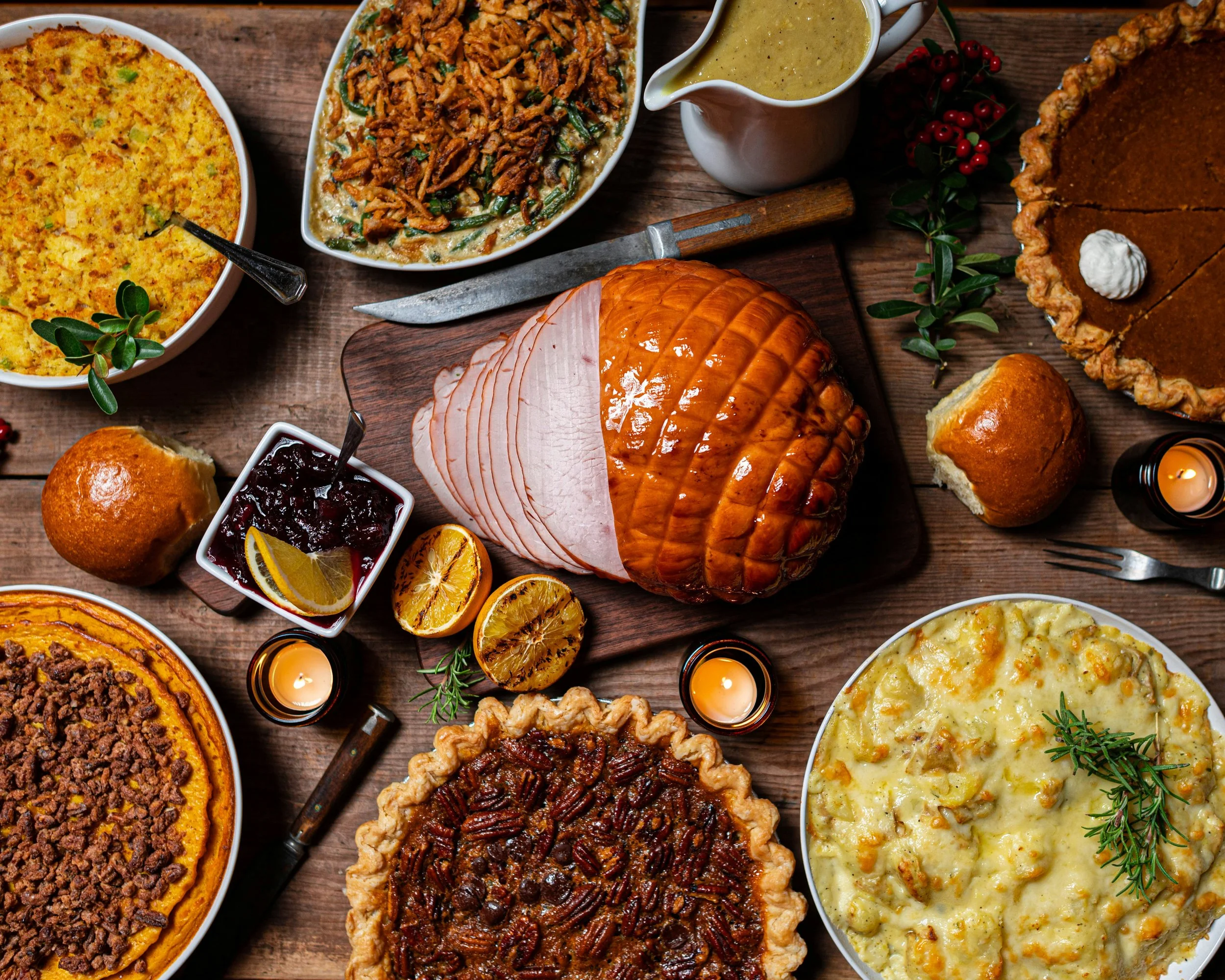
The holiday season is filled with family gatherings, office parties, festive dinners, and endless opportunities to enjoy delicious food. While these celebrations create lasting memories, they can also make it challenging to maintain healthy eating habits. Many people worry about holiday weight gain, overeating, and losing control of their nutrition goals.
The good news is that learning how to navigate eating around the holidays doesn't mean giving up your favorite seasonal treats. With the right mindset and practical strategies, you can enjoy holiday meals, stay healthy, and feel your best throughout the season.
If you or a loved one is seeking support navigating eating around the holidays, call NJCCBT today at 201-669-1369 x1 to learn more about our services.
Why Holiday Eating Can Be Challenging
The holidays create a unique environment where food is often at the center of every event. Between Thanksgiving dinners, Christmas parties, New Year's celebrations, and family get-togethers, tempting foods are everywhere.
Many people face challenges such as:
Larger-than-normal portion sizes
Increased access to sweets and desserts
Emotional eating triggered by stress
Irregular meal schedules
Pressure to eat more at social gatherings
Reduced physical activity during busy holiday weeks
Understanding these common obstacles is the first step toward preventing holiday overeating and maintaining a healthy relationship with food.
Focus on Balance Instead of Perfection
One of the most effective holiday nutrition tips is shifting your mindset from perfection to balance.
Many people adopt an "all-or-nothing" approach during the holidays. They either try to eat perfectly or give up entirely after enjoying one indulgent meal. This cycle can lead to guilt and continued overeating.
Instead, focus on creating balance. If you enjoy a rich holiday dinner, simply return to your normal eating routine at your next meal. A single meal or dessert won't derail your health goals.
Remember that healthy eating during the holidays is about what you do consistently, not what you eat occasionally.
Never Skip Meals Before a Holiday Feast
A common mistake is skipping breakfast or lunch to "save calories" before a large holiday meal.
While this strategy may seem logical, it often backfires. Arriving at a gathering overly hungry can make it much harder to control portions and food choices.
To avoid overeating during the holidays:
Eat balanced meals throughout the day
Include protein and fiber at each meal
Stay hydrated
Avoid arriving at events feeling starved
Having a healthy snack before a holiday gathering can also help reduce the urge to overindulge.
Practice Mindful Eating During Holiday Gatherings
Mindful eating is one of the best strategies for maintaining healthy habits during the holidays.
Instead of rushing through meals, slow down and pay attention to your food. Savor the flavors, textures, and aromas of your favorite holiday dishes.
Practical mindful eating tips include:
Taking smaller bites
Chewing slowly
Putting utensils down between bites
Eating without distractions when possible
Checking in with your hunger and fullness cues
Mindful eating helps you enjoy holiday foods more fully while reducing the likelihood of overeating.
Choose Your Favorite Holiday Foods Wisely
One of the best ways to enjoy holiday meals without guilt is to prioritize the foods you truly love.
Holiday buffets often feature dozens of options. Instead of sampling everything, be selective.
Ask yourself:
Which foods are only available during the holidays?
Which dishes are family traditions?
What foods will I genuinely enjoy the most?
Fill your plate with meaningful favorites rather than eating foods simply because they're available.
This approach allows you to enjoy special treats while avoiding unnecessary calories from foods that aren't particularly satisfying.
Don't Forget the Importance of Portion Control
Portion control during the holidays doesn't mean restricting yourself. It simply means being intentional about how much food you consume.
Try these holiday portion control strategies:
Use a smaller plate when available
Start with vegetables before richer foods
Take moderate servings initially
Wait a few minutes before going back for seconds
Eat slowly to give your body time to register fullness
By managing portions, you can enjoy a variety of holiday foods without feeling overly stuffed.
Stay Hydrated Throughout the Holiday Season
Drinking enough water is often overlooked during the holidays.
Dehydration can sometimes be mistaken for hunger, leading people to eat more than their bodies need. Additionally, holiday celebrations often include alcoholic beverages, which can contribute to dehydration.
To stay hydrated:
Drink water throughout the day
Have a glass of water before meals
Alternate alcoholic beverages with water
Carry a reusable water bottle during busy days
Proper hydration supports digestion, energy levels, and overall well-being during the holiday season.
Manage Emotional Eating and Holiday Stress
For many individuals, holiday eating is connected to emotions rather than physical hunger.
Stress, family dynamics, financial concerns, travel demands, and packed schedules can all increase the likelihood of emotional eating.
Healthy ways to manage holiday stress include:
Taking daily walks
Practicing meditation or deep breathing
Maintaining a regular sleep schedule
Journaling
Talking with a licensed therapist for professional support
Setting realistic expectations for holiday events
Recognizing emotional triggers can help you make more intentional decisions around food.
Bring a Healthy Dish to Holiday Events
If you're attending a holiday gathering, consider bringing a nutritious dish to share.
This strategy ensures there will be at least one healthy option available while contributing something meaningful to the meal.
Some healthy holiday dish ideas include:
Roasted vegetables
Colorful winter salads
Fresh fruit platters
Lean protein dishes
Whole-grain side dishes
Bringing a healthy option allows you to support your nutrition goals without sacrificing enjoyment.
Keep Moving During the Holidays
Physical activity and healthy eating go hand in hand.
You don't need intense workouts to offset holiday meals. Simple movement throughout the day can significantly support your health.
Easy ways to stay active during the holidays include:
Family walks after meals
Morning stretching routines
Home workouts
Playing outdoor games with relatives
Continuing your regular exercise schedule when possible
Regular movement can improve mood, support metabolism, and reduce holiday stress.
Let Go of Food Guilt
Perhaps the most important holiday wellness tip is to release food-related guilt.
Many people enjoy a slice of pie or a festive meal and immediately feel guilty afterward. This negative mindset can create an unhealthy relationship with food.
Instead, remind yourself that holiday celebrations are about more than nutrition. They are opportunities to connect with loved ones, celebrate traditions, and create meaningful memories.
Enjoying your favorite holiday foods is part of the experience.
When the holidays end, simply return to your regular healthy habits without punishment, restriction, or extreme dieting.
Healthy Holiday Eating Is About Enjoying the Season
Learning how to navigate eating around the holidays is not about avoiding treats or following rigid food rules. It's about finding a balanced approach that supports both physical health and emotional well-being.
By practicing mindful eating, managing portions, staying hydrated, maintaining physical activity, and letting go of guilt, you can confidently enjoy holiday celebrations without sacrificing your health goals.
This holiday season, focus on what truly matters: spending time with loved ones, creating cherished memories, and enjoying your favorite foods in a balanced and sustainable way. When you prioritize consistency over perfection, healthy holiday eating becomes much easier and far more enjoyable.
If you or a loved one is seeking support navigating eating around the holidays, call NJCCBT today at 201-669-1369 x1 to learn more about our services.