
How to Travel If You Have Panic Attacks
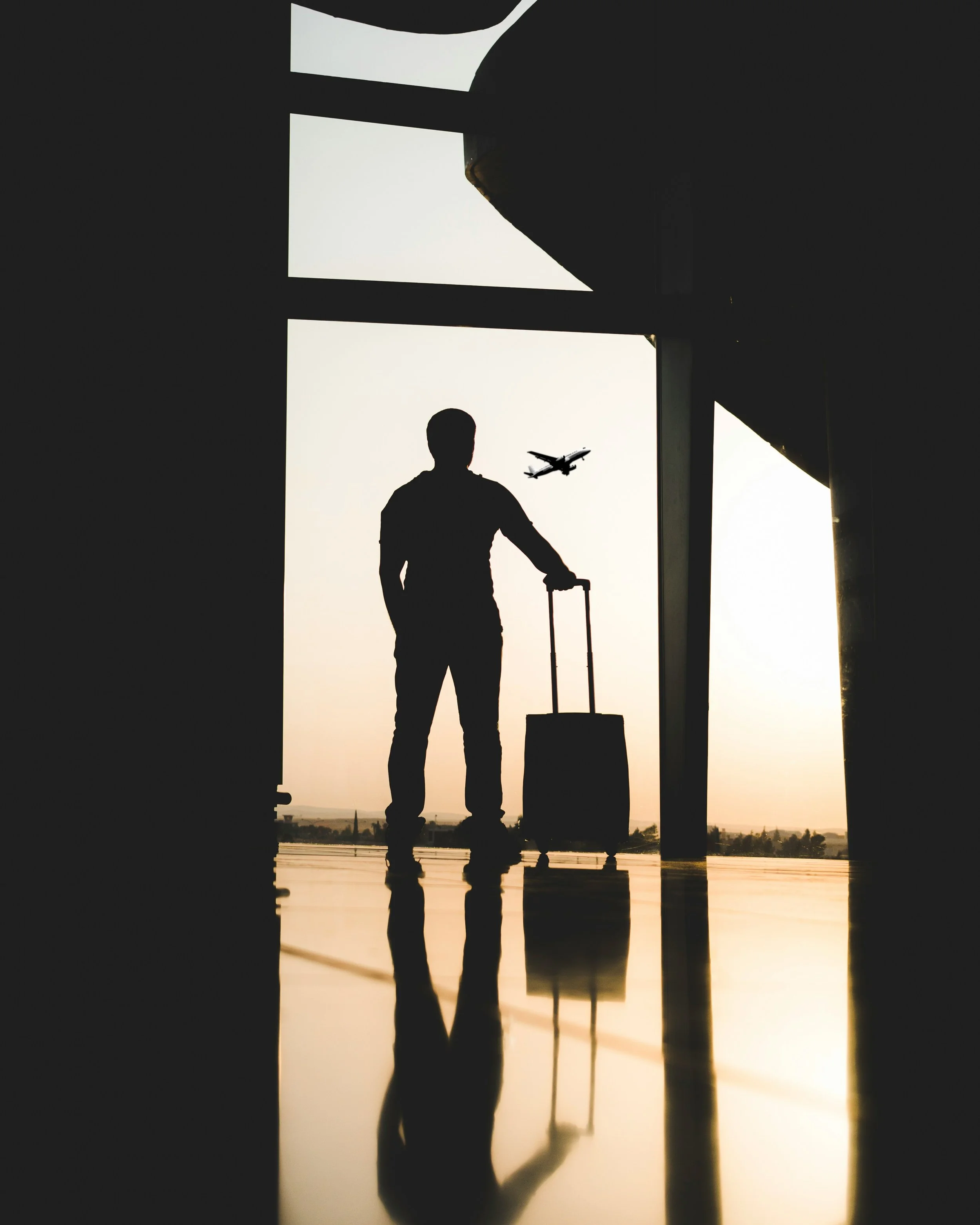
Traveling can be exciting, meaningful, and deeply rewarding — but if you experience panic attacks, even the idea of getting on a plane, train, or highway can feel overwhelming. The good news is that you can travel successfully and confidently with the right psychological strategies.
If you or a loved one is seeking support managing panic attacks or anxiety while traveling, call NJCCBT today at 201-669-1369 x1 to learn more about our services.
Understanding Panic Attacks While Traveling
A panic attack while traveling often feels more intense because you’re away from home, outside your comfort zone, and sometimes in situations where escape feels difficult (airplanes, long car rides, crowded airports). Common symptoms include:
Rapid heartbeat
Shortness of breath
Dizziness
Feeling detached or unreal
Fear of losing control
These sensations are frightening, but they are not dangerous. Understanding this is the first step toward reclaiming your travel freedom.
Why Travel Triggers Panic Attacks (Psychologist’s Perspective)
Travel introduces a mix of uncertainty, overstimulation, and loss of control — all common triggers for anxiety. A psychologist would highlight several factors:
Anticipatory anxiety before travel
Fear of being trapped (planes, trains, tunnels)
Fear of embarrassment if a panic attack happens publicly
Disrupted routines, including sleep and eating
Sensory overload in airports, stations, or tourist areas
Recognizing these triggers helps you plan targeted strategies to manage them.
How to Travel With Panic Attacks — Evidence‑Based Strategies
Below are the most effective, psychologist‑approved techniques to help you travel with confidence.
Practice Grounding and Breathing Techniques Before You Travel
Grounding and breathing exercises are powerful tools for preventing and managing panic attacks. They work by calming your nervous system and interrupting the “fight or flight” response.
Effective techniques include:
Box breathing (inhale 4, hold 4, exhale 4, hold 4)
5‑4‑3‑2‑1 grounding method
Progressive muscle relaxation
These are especially helpful for panic attacks on airplanes, where movement is limited.
Create a Travel Anxiety Plan
A structured plan reduces uncertainty and gives you a sense of control. Include:
A list of coping strategies
A calming playlist or podcast
A small comfort item (scarf, essential oil, stress ball)
A script to tell yourself during panic (“This is uncomfortable, not dangerous.”)
A backup plan for breaks or quiet spaces
This is one of the most effective travel anxiety management strategies used in therapy.
Use Cognitive Behavioral Techniques (CBT) During Travel
CBT is one of the most researched treatments for panic disorder. You can apply its principles while traveling:
Challenge catastrophic thoughts (“If I panic on the plane, I’ll lose control” → “Panic always passes, and I’ve handled it before.”)
Reduce avoidance behaviors Avoiding travel reinforces fear. Gradual exposure builds confidence.
Reframe physical sensations A racing heart is a sign of adrenaline, not danger.
These tools help you stay grounded and prevent spiraling.
If you’ve read this far, you may want to speak with an expert. Contact North Jersey Center for CBT today for a complimentary consultation or to schedule an appointment with a therapist. Call 201-669-1369 or click the button below to get started.
Choose Travel Conditions That Support Your Mental Health
You can make travel easier by adjusting your environment:
Book non‑peak travel times to avoid crowds
Choose aisle seats for a sense of freedom
Allow extra time at airports
Avoid caffeine before travel
Bring snacks to stabilize blood sugar
Plan rest breaks on road trips
These small adjustments significantly reduce the likelihood of panic.
Tell Someone You Trust About Your Anxiety
You don’t have to travel alone emotionally. Letting a friend, partner, or travel companion know:
Reduces the fear of “what if something happens”
Gives you someone to talk to during rising anxiety
Helps you feel supported and grounded
Even a simple text check‑in can help.
Use Technology to Support Your Mental Health While Traveling
Apps and tools can help you stay calm and regulated:
Meditation apps
Breathing timers
Calming music playlists
Offline therapy worksheets
These are especially useful for managing panic attacks on long flights.
When to Seek Professional Help Before Traveling
If panic attacks are frequent, intense, or preventing you from traveling altogether, a psychologist can help you:
Build a personalized travel anxiety plan
Practice exposure therapy
Learn advanced CBT techniques
Explore medication options if appropriate
Many people find that a few sessions of targeted therapy dramatically improve their ability to travel.
You Can Travel With Panic Attacks — Here’s the Takeaway
Traveling with panic attacks is absolutely possible. With preparation, psychological strategies, and the right mindset, you can explore the world without letting anxiety control your life.
Key reminders:
Panic attacks are uncomfortable, not dangerous
You have tools to manage them
Preparation reduces fear
You don’t have to travel alone
Every successful trip builds confidence
Your world doesn’t have to shrink because of anxiety — it can expand.
If you or a loved one is seeking support managing panic attacks or anxiety while traveling, call NJCCBT today at 201-669-1369 x1 to learn more about our services.
