
What Is Birthday Depression and How Can I Cope?
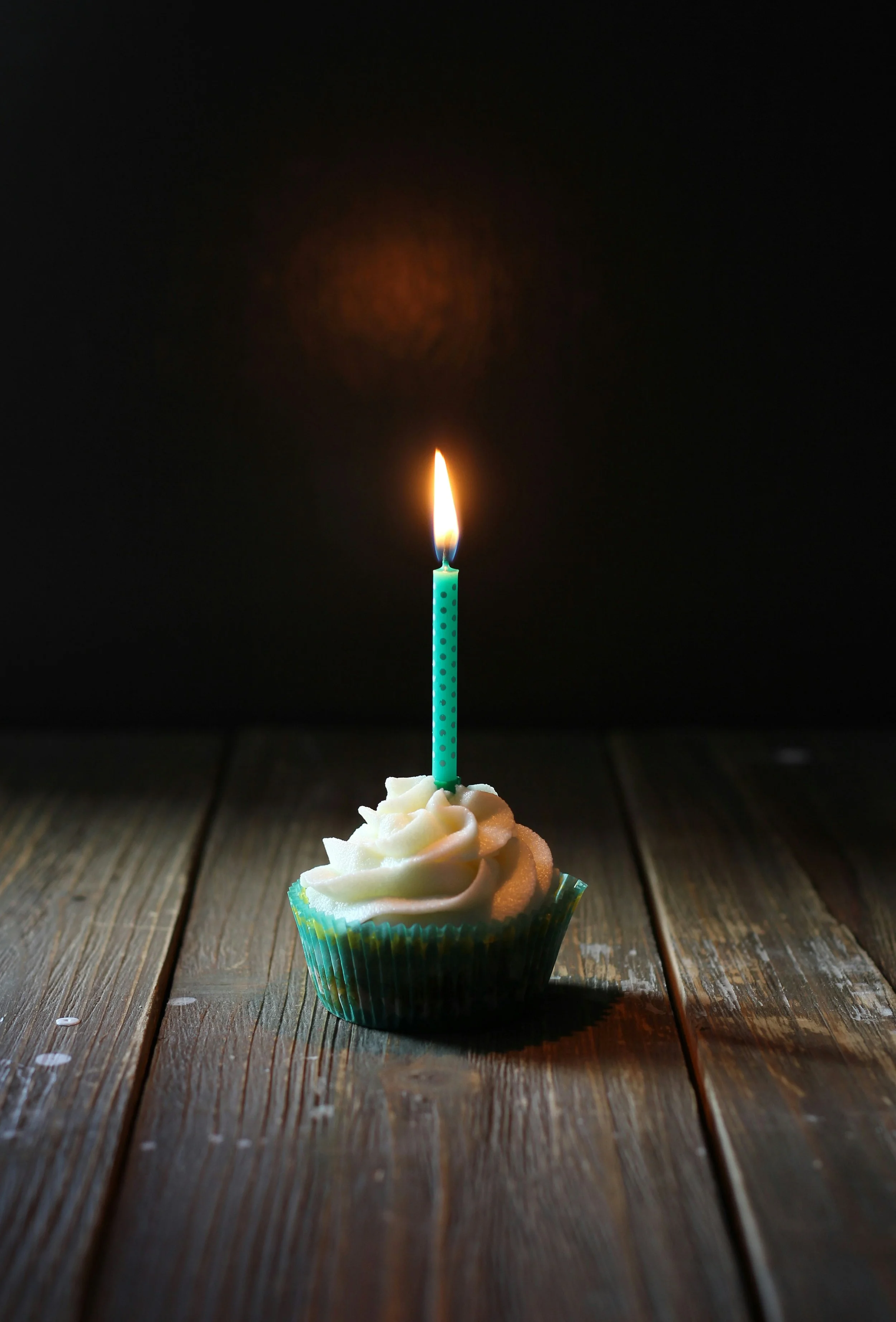
Birthday depression—sometimes called the birthday blues—is more common than people admit. While birthdays are often marketed as joyful milestones, many people experience sadness, anxiety, or emotional heaviness as the date approaches. This article breaks down what birthday depression is, why it happens, and how you can cope in healthy, meaningful ways.
If you or a loved one is struggling with birthday sadness, call NJCCBT today at 201-669-1369 x1 to learn more about our services.
Understanding birthday depression
Birthday depression refers to feelings of sadness, irritability, dread, or emotional discomfort leading up to, on, or immediately after your birthday. It isn’t a clinical diagnosis, but it is a real emotional experience that affects people across ages and backgrounds.
People often wonder “Why do I feel sad on my birthday?” or “Why do birthdays make me depressed?” which all point to the same phenomenon: emotional distress tied to a personal milestone.
Common emotional symptoms include:
Low mood — feeling down or disconnected from the celebration
Social withdrawal — wanting to avoid gatherings or attention
Irritability — feeling easily overwhelmed or annoyed
Anxiety — worrying about aging, expectations, or social pressure
Loneliness — even when surrounded by people
Why do people experience birthday depression?
There isn’t one single cause. Instead, birthday depression usually comes from a mix of emotional, social, and psychological factors.
1. Pressure to feel happy
Birthdays come with cultural expectations: celebration, joy, gratitude. When your emotions don’t match the script, it can create guilt or shame.
2. Life evaluation and self‑comparison
Birthdays often trigger reflection:
“Am I where I thought I’d be?”
“Why haven’t I accomplished more?”
This can be especially intense in your late 20s, 30s, and 40s.
3. Aging anxiety
Milestones remind us of time passing. For some, this sparks fear about aging, health, or the future.
4. Past birthday disappointments
If previous birthdays were lonely, stressful, or traumatic, your mind may associate the date with negative emotions.
5. Social expectations and comparison culture
Seeing others post extravagant celebrations can make your own day feel inadequate.
6. Feeling unseen or unsupported
If people forget your birthday—or you fear they will—it can trigger deep feelings of loneliness.
If you’ve read this far, you may want to speak with an expert. Contact North Jersey Center for CBT today for a complimentary consultation or to schedule an appointment with a therapist. Call 201-669-1369 or click the button below to get started.
Is birthday depression normal?
Yes. Many people experience emotional dips around their birthday. It doesn’t mean something is wrong with you. It simply means your birthday is activating deeper feelings that deserve attention and care.
How to cope with birthday depression
Here are evidence‑informed strategies that help people manage birthday sadness and reclaim the day in a way that feels authentic.
1. Redefine what a birthday “should” look like
You don’t have to celebrate traditionally. You can:
Spend the day alone intentionally
Have a quiet dinner with one person
Take a personal day
Skip the celebration entirely
Your birthday belongs to you.
2. Set boundaries
If big gatherings drain you, say no. If social media stresses you out, take a break. Boundaries protect your emotional energy.
3. Plan something small but meaningful
Instead of forcing excitement, choose something grounding:
A nature walk
A spa day
Journaling
A favorite meal
A movie marathon
Small joys count.
4. Talk to someone you trust
Sharing your feelings with a friend, partner, or therapist can reduce emotional pressure and help you feel supported.
5. Reflect with compassion, not criticism
If your birthday triggers self‑evaluation, try reframing:
What did I learn this year?
What challenges did I overcome?
What am I proud of?
This shifts the focus from “not enough” to growth.
6. Limit social media
Scrolling through highlight reels can intensify comparison. Give yourself permission to unplug.
7. Create a new tradition
If old patterns bring sadness, build something new:
Volunteer
Travel
Start a gratitude ritual
Write a letter to your future self
New traditions can reshape how your brain associates the day.
When should I seek additional support?
If birthday depression is part of a larger pattern of ongoing sadness, hopelessness, or withdrawal, it may help to talk with a mental health professional. You deserve support not just on your birthday, but every day.
Key Takeaways
Birthday depression is a real emotional experience that affects many people.
It often stems from expectations, comparison, aging anxiety, or past disappointments.
You can cope by redefining the day, setting boundaries, creating new traditions, and seeking support when needed.
Your birthday doesn’t have to be perfect. It just has to be yours.
If you or a loved one is struggling with birthday sadness, call NJCCBT today at 201-669-1369 x1 to learn more about our services.
