
Why Does It Feel Like Something Is Wrong in My Body? Physical Signs of Anxiety You Should Not Ignore
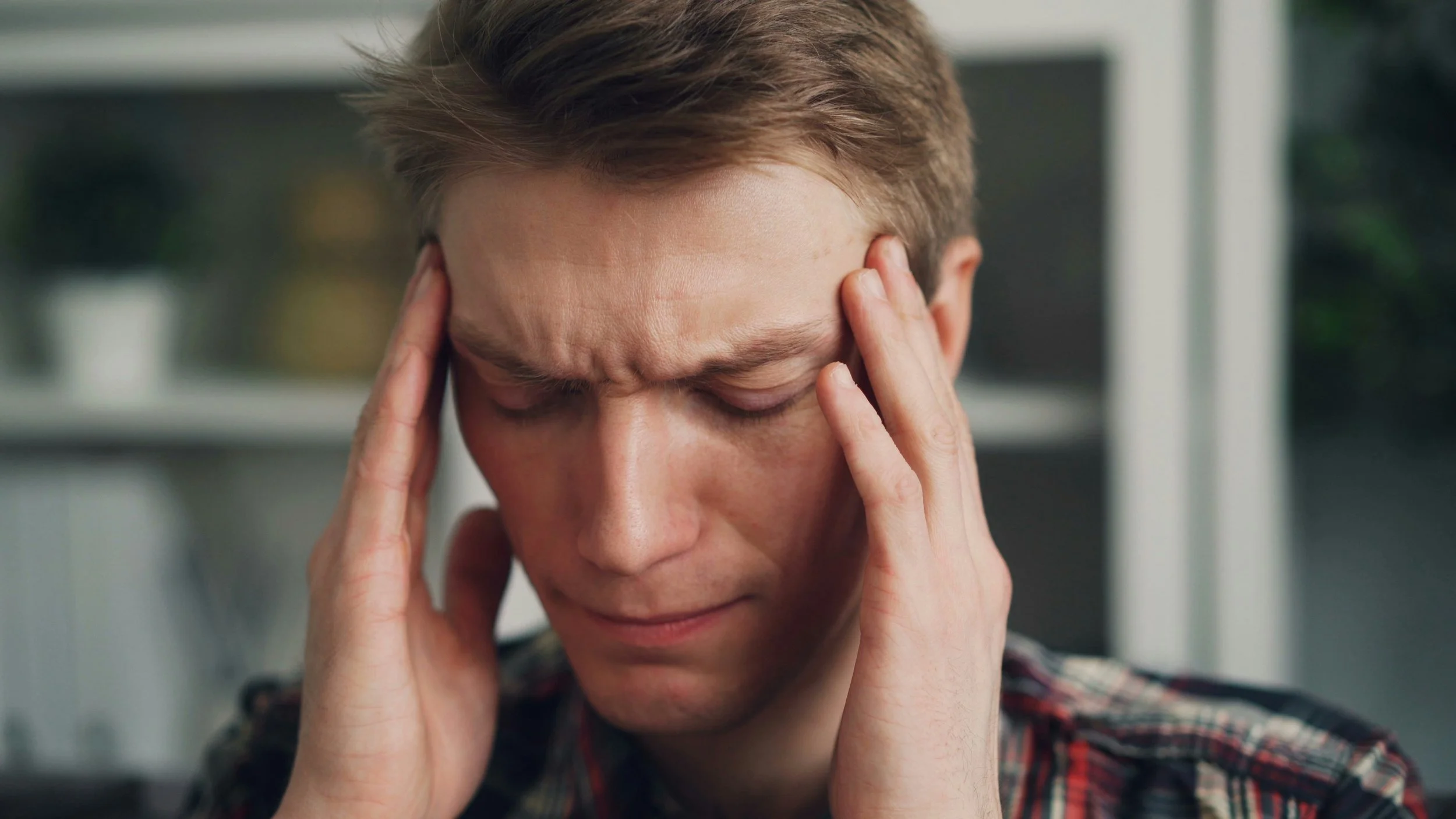
Many people experiencing anxiety describe a frightening sensation: “It feels like something is wrong in my body.” This can include a racing heart, tight chest, dizziness, stomach issues, tingling, or a sense of impending doom. These symptoms often feel so real and intense that people worry they’re experiencing a medical emergency.
The truth is that anxiety can create powerful physical sensations. This guide explains why anxiety shows up in the body, the physical signs of anxiety you shouldn’t ignore, and how therapy can help you understand and manage these symptoms.
If you or a loved one is seeking support navigating anxiety, call NJCCBT today at 201-669-1369 x1 to learn more about our services.
Why Anxiety Shows Up in Your Body
Anxiety is not just an emotional experience—it’s a physiological one. When your brain perceives danger (even if the danger is imagined), it activates the fight‑or‑flight response, flooding your body with stress hormones like adrenaline and cortisol.
This leads to physical sensations such as:
Rapid heartbeat
Shortness of breath
Muscle tension
Stomach discomfort
Dizziness
Sweating
These symptoms are uncomfortable, but they are also normal responses to stress.
Why It Feels Like Something Is Wrong in Your Body
When your body reacts strongly, your brain tries to make sense of it—and often jumps to worst‑case scenarios.
Here’s why anxiety feels so physical.
1. Anxiety Activates Your Nervous System
Your sympathetic nervous system prepares your body for danger. Even if the “danger” is a stressful email or a difficult conversation, your body reacts as if you’re facing a threat.
This can cause:
racing heart
trembling
sweating
chest tightness
These sensations can feel alarming, especially if you don’t know they’re caused by anxiety.
2. Anxiety Heightens Your Awareness of Bodily Sensations
Anxiety makes you hyper‑focused on your body. You may notice sensations you normally ignore, such as:
small aches
slight changes in breathing
minor digestive discomfort
This heightened awareness can make normal sensations feel dangerous.
3. Anxiety Creates “False Alarms” in the Body
Your brain misinterprets stress signals as signs of illness or danger. This can lead to:
fear of fainting
fear of heart problems
fear of losing control
fear of something being medically wrong
This is known as catastrophic thinking, and it’s a major driver of physical anxiety symptoms.
4. Anxiety and Stress Affect Every System in the Body
Anxiety impacts:
cardiovascular system (heart rate, blood pressure)
respiratory system (breathing changes)
digestive system (nausea, stomach pain)
muscular system (tension, aches)
endocrine system (stress hormones)
This is why anxiety can feel like a full‑body experience.
Physical Signs of Anxiety You Should Not Ignore
1. Chest Tightness or Chest Pain
Chest discomfort is one of the most frightening symptoms of anxiety. While anxiety‑related chest pain is common, it should always be evaluated if it’s new or severe.
2. Rapid Heartbeat or Heart Palpitations
Anxiety can cause your heart to race or skip beats. This happens because adrenaline increases your heart rate to prepare for action.
3. Shortness of Breath or Feeling Like You Can’t Get Enough Air
Many people describe this as:
“I feel like I can’t breathe.”
“I feel like something is wrong with my lungs.”
This is a classic anxiety response caused by shallow breathing.
4. Dizziness or Feeling Lightheaded
Anxiety can change your breathing patterns, reducing carbon dioxide levels and causing dizziness.
5. Stomach Issues and Digestive Problems
Anxiety affects the gut directly, leading to:
nausea
stomach pain
diarrhea
loss of appetite
6. Tingling, Numbness, or “Electric” Sensations
These sensations often come from hyperventilation or muscle tension.
7. Feeling Detached or “Not Like Yourself”
This symptom—called derealization or depersonalization—can make you feel disconnected from your body or surroundings. It’s frightening but not dangerous.
When Physical Anxiety Symptoms Become a Cycle
Many people experience the anxiety‑body feedback loop:
Anxiety creates physical symptoms
You notice the symptoms
You worry something is wrong
Anxiety increases
Symptoms intensify
This cycle can make anxiety feel like a medical emergency even when it’s not.
How Therapy Helps You Understand and Manage Physical Anxiety Symptoms
Seeing a licensed therapist is one of the most effective ways to break the anxiety‑body cycle. Approaches like CBT and DBT teach you how to understand your symptoms and respond to them with calm instead of fear.
Therapy Helps You Identify Your Anxiety Triggers
A therapist helps you understand:
what triggers your physical symptoms
how your thoughts amplify them
how to interrupt the cycle early
Therapy Teaches You Grounding and Regulation Skills
These skills help calm your body so your mind can follow:
deep breathing
grounding exercises
progressive muscle relaxation
mindfulness techniques
Therapy Helps You Challenge Catastrophic Thinking
You learn to replace thoughts like:
“Something is wrong with my body.”
with:
“This is anxiety. My body is reacting to stress.”
Therapy Supports You During Stressful Transitions
Transitions—new job, new school, college, life changes—often intensify physical anxiety. Therapy helps you build tools to navigate these moments with confidence.
Final Thoughts: Your Body Isn’t Failing You—It’s Responding to Stress
When anxiety shows up in your body, it can feel terrifying. But these symptoms are common, understandable, and treatable. With the right tools—and often with the support of a therapist—you can learn to calm your body, quiet your mind, and feel safe again.
If you or a loved one is seeking support navigating anxiety, call NJCCBT today at 201-669-1369 x1 to learn more about our services.