
How to Make New Year’s Resolutions Stick

As 2025 winds down, conversations inevitably circle back to New Year’s resolutions. We’ve all been there: someone asks, “So, what’s your resolution this year?” and the room fills with chuckles, eye rolls, or vague half-promises. The truth is, most of us enter each year with good intentions—but by February, those plans have quietly dissolved.
If you or a loved one is seeking additional support in clarifying your values and creating actionable change in your own life, reach out to NJCCBT today at 201-669-1369 x1.
Why does this happen? It’s not because we want to fail. Nobody wakes up in the morning saying, “Great, today’s the day I’ll abandon my goals!” More often, it’s because we lack a reliable system for evaluating ourselves and tracking what really matters. Without that structure, resolutions feel more like hopeful guesses than actionable steps.
Discovering Your Self-Evaluation System
The truth is, we all judge ourselves—whether consciously or not. But unless you’ve done structured self-reflection (often in therapy or coaching), you might not even realize how your personal “evaluation system” works. That’s why resolutions often fall flat: we don’t always know what we’re measuring or aiming for.
So instead of jumping straight into lofty goals, why not take a step back and figure out how you already measure success? One simple, visual way to do this is with a self-evaluation pie chart.
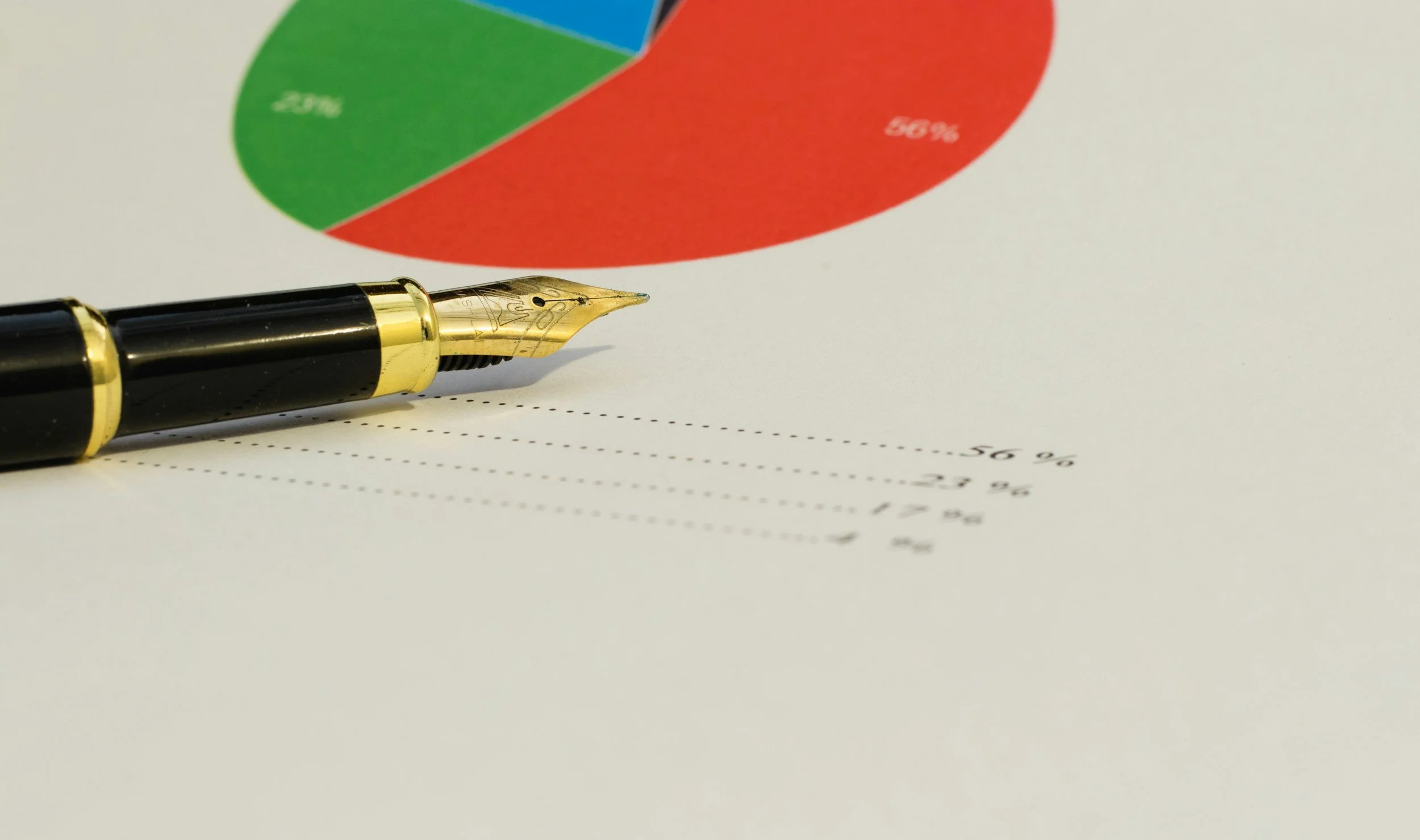
Step 1: Define Your Slices
Think about the key areas of your life—relationships, work, faith, hobbies, health, creativity, or anything else that feels central. Then ask yourself: How important is each area to me?
A helpful trick is to imagine losing that area for a while. If you couldn’t invest in friendships, for example, how badly would that affect how you see yourself? The more it matters, the bigger that slice of the pie should be.
Step 2: Test It Out
Once you’ve drawn your chart, don’t stop there. Live with it for a week. Pay attention to whether your chart reflects your daily reality. At the end of the week, create a second chart—this time based on where your actual energy and time went.
Now compare the two. Where are the mismatches? Those gaps are your real resolutions. Instead of forcing yourself into generic goals like “work out more” or “be more productive,” you’ll have clarity on the areas of life that deserve rebalancing.
For example: if “family” and “music” matter deeply to you, but your reality pie shows that “school” is swallowing most of your time, it may be time to consciously shift your focus.
Step 3: Check the Balance
Take a look at your pie. Is one slice consuming nearly half the circle? If so, you might be overloading yourself in that single area. Economists call it “lack of diversification.” Psychologists would say it’s risky: tying too much of your self-worth to one domain means a setback there could hit your confidence hard.
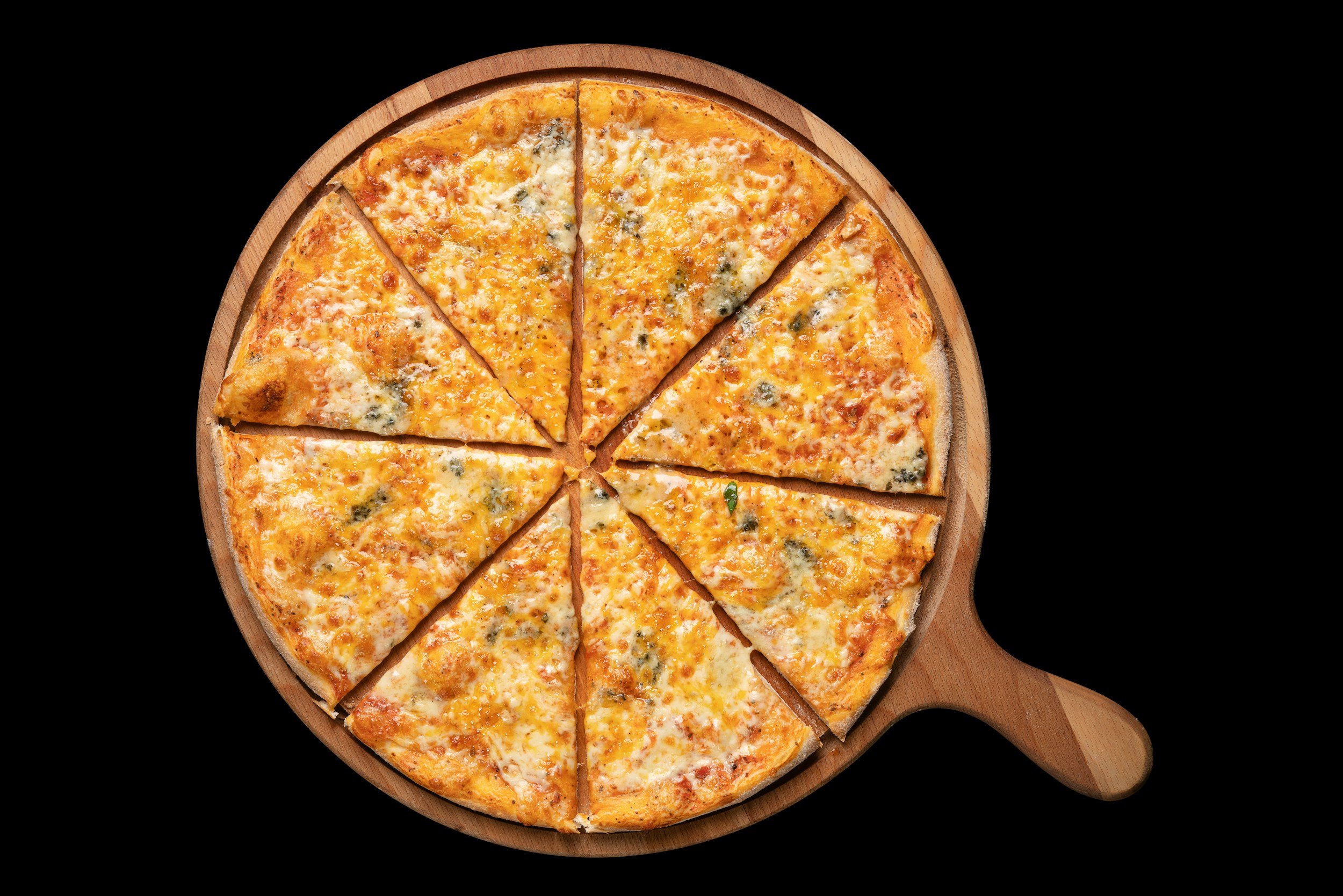
Striking balance doesn’t mean giving equal weight to every slice—but it does mean spreading your energy in a way that leaves you feeling grounded and resilient.
A Pie Worth Savoring
By approaching resolutions through self-evaluation, you’re not just chasing temporary goals—you’re redesigning the system you use to judge success. Instead of starting 2026 with another list you’ll forget by spring, you’ll have a pie chart that reflects your real values and helps guide your choices year-round.
And ideally, you’ll end up with a pie that’s a little more satisfying—and a whole lot more sustainable.
If you or a loved one is seeking additional support in clarifying your values and creating actionable change in your own life, reach out to NJCCBT today at 201-669-1369 x1. Our team is experienced in CBT, DBT, and ACT, and will equip you with the tools necessary to make your New Year’s resolutions stick this time around.
